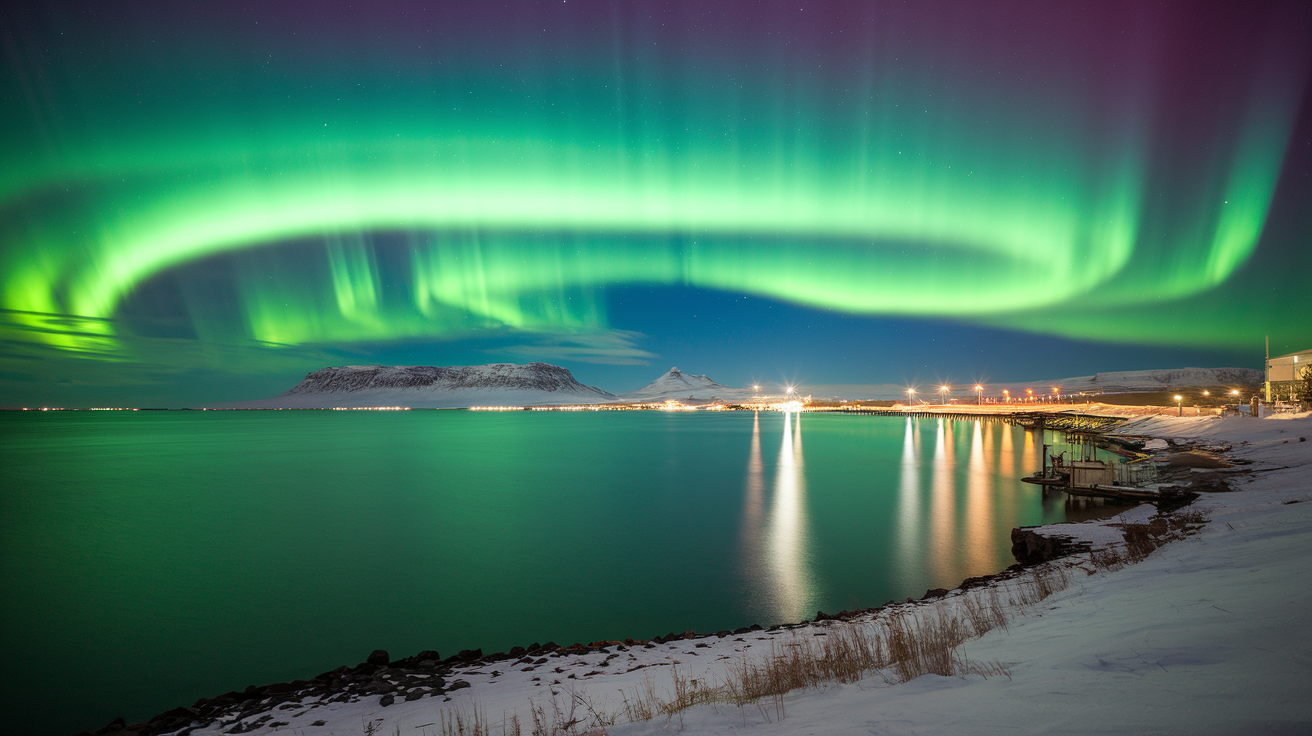

Think a weekend in Reykjavik guarantees northern lights?
It doesn’t, but a focused plan, choosing the right season, watching the 9 p.m. to 2 a.m. window, and adding a flexible extra night, will stack the odds in your favor.
This guide shows exactly what to book, when to stay flexible, whether to join a guided tour or drive yourself, which nearby dark-sky spots are doable from the city, and simple Kp index and cloud checks that save you wasted nights.
Reykjavik Northern Lights Weekend Itinerary
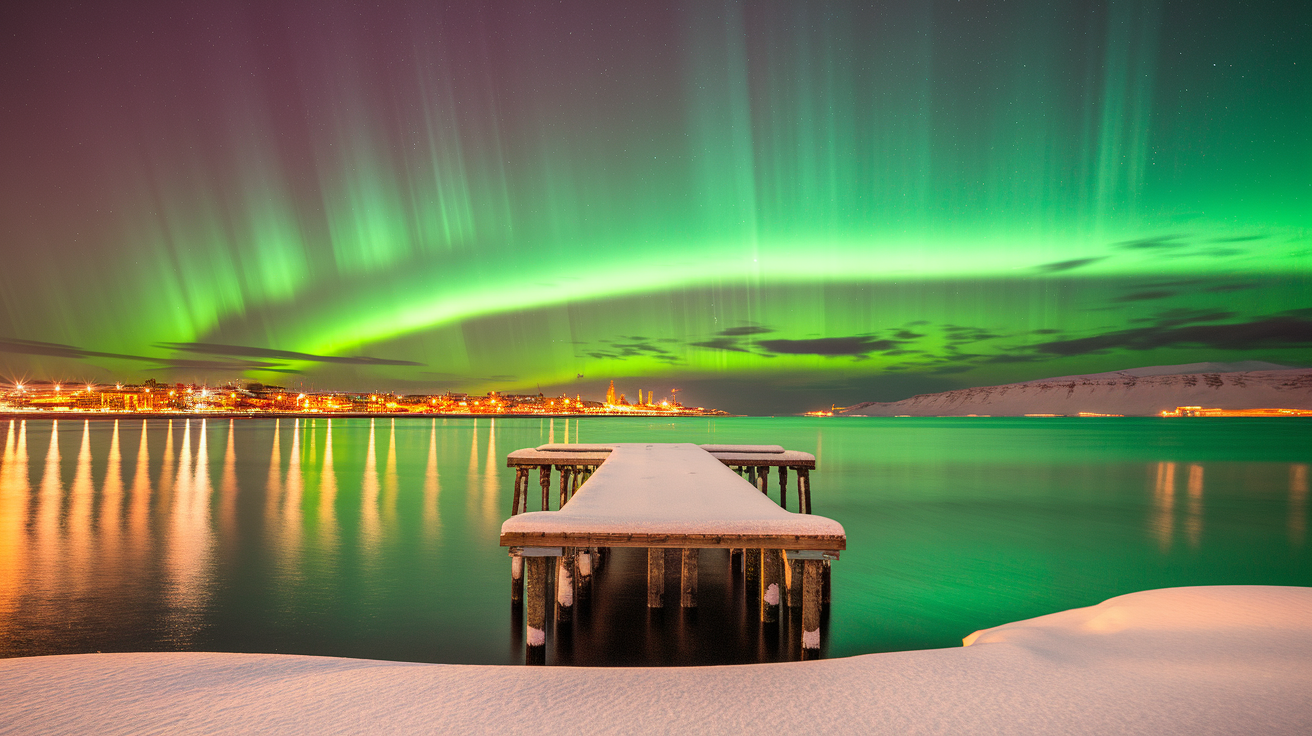
The best time to catch the northern lights in Reykjavik runs from late September through mid-April, with the darkest, most reliable skies falling between October and March. Within that window, you’ll want your nightly aurora watch to run from around 21:00 to 02:00, with activity often peaking near midnight. This window matters because it shapes everything else, from what time you book a tour to when you set an alarm for a last-minute sky check.
If you’re trying to figure out how to plan a weekend in Reykjavik for northern lights, the structure below works for most travelers, whether you’ve got two nights or three.
-
Day 1: Arrive and ease in. Land, settle into your place, and spend the afternoon on light sightseeing around central Reykjavik. Think Hallgrímskirkja, a coffee shop crawl, or a walk along the harbor. Book a guided aurora tour for that first night. Guides already track forecasts and know where the skies are clearing, which takes the guesswork out of your first attempt.
-
Day 2: Stay flexible. Use the daylight hours for a Golden Circle trip or a relaxing soak, but keep checking cloud cover and Kp index forecasts as the day goes on. By early evening you should know whether conditions favor a self-drive to a dark-sky spot or a second guided tour heading in a different direction than the night before.
-
Optional Day 3: Insurance night. If nights one and two were cloudy or quiet, a third night gives you another shot. This is the biggest lever you have for improving your odds, since weather in Iceland shifts fast and a clear patch can show up anywhere.
Three nights near the start of a longer Iceland trip is the sweet spot. It gives you enough attempts to ride out a cloudy night or two without chasing aurora on the back end of a trip when you’re tired or pressed for time. The sections ahead cover forecasting tools, tour versus self-drive decisions, gear, and backup plans in more detail, so you can fill in each piece of this itinerary with confidence.
Planning Expectations And Trade-Offs
(((alt-img2)))
A short weekend built around the northern lights comes with trade-offs worth accepting before you book anything. Reykjavik is a fantastic base precisely because it lets you mix city comfort with quick access to dark skies, but that convenience doesn’t remove the uncertainty baked into aurora hunting.
- Even in peak season, clear skies and active aurora overlapping on the same night is never guaranteed, no matter how well you plan.
- Winter daylight is short, often just four to five hours in December, which limits how much sightseeing you can pack into a single day.
- Reykjavik puts you 5 to 60 minutes from genuinely dark viewing spots, so you get city amenities without sacrificing access to darkness.
- Weather can shift fast, meaning the forecast you check at breakfast might look completely different by 9 p.m.
- Guided tours cost more than self-driving but hand you local expertise and flexibility to relocate toward clear patches. Driving yourself saves money but puts the responsibility on you.
Build your weekend around flexibility rather than pinning all your hope on one night. Pack in daytime activities you’d enjoy regardless of what the sky does after dark, and treat any aurora sighting as a bonus layered on top of a trip that’s worthwhile either way.
What Affects Northern Lights Visibility In Reykjavik
(((alt-img3)))
Darkness matters more than temperature when it comes to timing your trip. The viewing season runs from late August or September through April, driven entirely by how many hours of true darkness a location gets. Around the summer solstice, Reykjavik sees roughly 21 hours of daylight, which makes aurora viewing effectively impossible no matter how active the sun is. That’s why October to March is the heart of the season. Nights are long enough to give the sky time to go properly dark.
The Kp index is the next piece of the puzzle. It’s a scale, generally running from 0 to 9, that measures geomagnetic activity. At Reykjavik’s latitude of roughly 64°N, you typically need a Kp of 3 or higher for the aurora to become visible, while a Kp of 4 to 5 tends to produce strong, easy-to-see displays. Think of it as a volume dial. A higher number means the lights reach further from the poles and show up brighter.
Cloud cover is the wildcard that can undo everything else. The aurora itself forms roughly 50 to 200 miles above the Earth’s surface, but if a layer of cloud sits between you and that activity, you won’t see a thing, even on a night with strong solar activity. Ideal conditions call for cloud cover under 30% locally, which is why checking a cloud forecast matters just as much as checking the Kp index.
Here’s a quick checklist to keep in mind before heading out:
- Dark skies, away from heavy light pollution
- Kp index of 3 or higher
- Cloud cover under 30%
- A new moon, or at least a night without a bright full moon washing out faint activity
Where To Watch: Top Northern Lights Viewing Spots Near Reykjavik
(((alt-img4)))
You don’t need to drive for hours to find dark skies near Reykjavik. A handful of spots cover a range of distances and vibes, so you can match the drive to how much time and comfort with winter roads you have that night.
Grótta Lighthouse, out on the Seltjarnarnes peninsula, is just 5 to 10 minutes from central Reykjavik and walkable if you’re staying nearby. The western tip sits far enough from downtown’s glow to offer genuinely dark skies, and the lighthouse itself makes a nice foreground for photos.
Öskjuhlíð hill and the area around Perlan are similarly close, 5 to 10 minutes by car or a manageable walk, and the elevation gives you a wider view of the sky. Keep in mind there’s some residual light pollution here since you’re still technically within city limits, so it’s a good option for a quick check rather than your best shot at a dark, dramatic display.
For something properly dark, Þingvellir National Park is about 45 minutes and 45 kilometers from the city. It requires a car, whether you’re
Final Words
Late September–mid-April is the sweet spot. October–March gives the darkest nights, with viewing hours roughly 21:00–02:00.
Night one: arrive, sample Reykjavik, then join a guided aurora tour. Day two: sightseeing and forecast checks, then try a self-drive or repeat tour. Night three is optional backup if clouds spoil the first nights.
Three nights raise your odds. The article covers forecasts, tours versus driving, gear, and simple backups.
If you need a quick checklist on how to plan a weekend in Reykjavik for northern lights, book a guided first night, keep day two flexible, and use night three as insurance. You’ll leave with better odds and a great story.
FAQ
Q: What time of night do you see the Northern Lights in Iceland?
A: The Northern Lights in Iceland are typically visible between 21:00 and 02:00, with peak activity around midnight; actual timing depends on Kp index, clear skies, and local cloud cover.
Q: How expensive is a 7 day trip to Iceland?
A: A 7-day trip to Iceland typically costs between $1,500–$4,000 per person, depending on season, accommodation, car rental, and activities; budget, midrange, and splurge options change the total.
Q: What should you not miss in Iceland?
A: What you should not miss in Iceland are the Golden Circle sights, Blue Lagoon or a hot spring dip, South Coast waterfalls and black sand beaches, and dark-sky nights outside Reykjavik for the aurora.
Q: What are the best Northern Lights tours in Iceland for 2026?
A: The best Northern Lights tours in Iceland for 2026 are small-group minibus tours for flexibility, super-jeep trips to remote dark skies, aurora boat cruises from Reykjavik, and private photography tours for tailored guidance.