
Think Lisbon is just steep hills and tourist traps?
This 3-day arts and Fado plan folds museums, galleries, street art, and one reserved Fado dinner into neighborhood days so you won’t spend hours on trams.
Mornings are for museums, afternoons for wandering galleries and murals, evenings for food and live music.
Book the Day 1 Fado at Sr. Fado de Alfama and you’ll get the best night without scrambling the rest of your trip.
Quick-Reference 3-Day Lisbon Arts And Fado Itinerary Overview
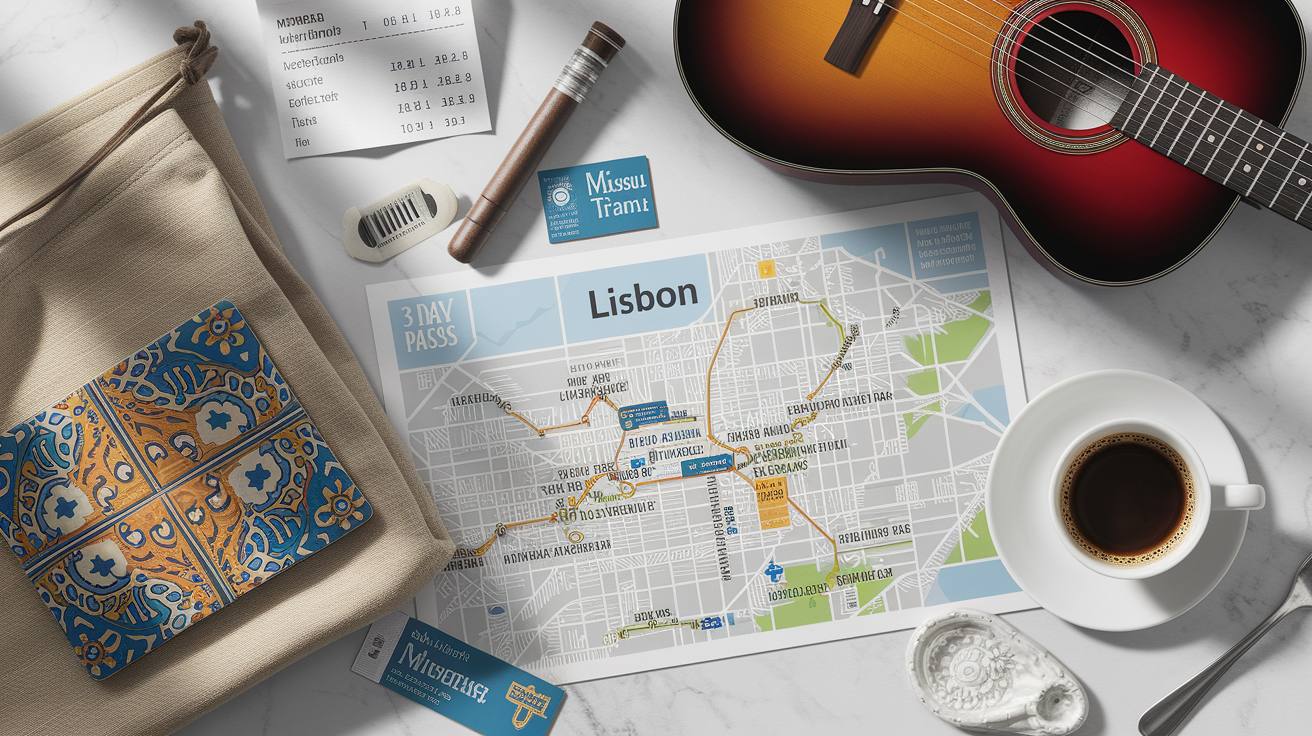
This itinerary balances museums, galleries, street art, and one booked Fado dinner across three days. Each day sticks to a single geographic zone, so you’re not crisscrossing the city burning hours on trams and buses. Mornings go to museums and sights, afternoons to galleries and neighborhood wandering, evenings to food and music.
Lisbon makes this kind of planning easy. After the 1755 earthquake leveled much of the city, it got rebuilt into a grid layout in the lower districts. That means walking between sites is actually manageable, not the maze you’d expect from a hillside European capital. A reusable 24-hour transit pass, around €6.60, covers trams, metro, and buses if your feet need a break.
One thing to lock in before anything else: Day 1 evening is your single reserved Fado experience, at Sr. Fado de Alfama. Dinner starts at 20:00, the performance begins around 22:00, and you’ll want to book ahead since seating is limited. Expect to pay roughly €45 to €65 per person with dinner included. This is the only Fado dinner you need to reserve in advance. Everything else musical later in the trip is optional and walk-in friendly.
Here’s the three-day shape at a glance.
| Day | Morning Focus | Afternoon Focus | Evening Focus | Approx. Daily Budget |
|---|---|---|---|---|
| Day 1 | São Jorge Castle, Miradouro Santa Luzia, Tram 28 | Alfama galleries, artisan shops, azulejo alleys | Fado dinner at Sr. Fado de Alfama (20:00 dinner, 22:00 show) | €70-€95 |
| Day 2 | Calouste Gulbenkian Museum | Chiado gallery walk | Optional Bairro Alto music, no reservation | €50-€75 |
| Day 3 | MAAT, Jerónimos Monastery, Belém | Alcântara, LX Factory street art | Casual dinner, free evening | €55-€80 |
Full logistics come next: exact walking sequences between sights, booking windows for Fado and museum tickets, and the small timing tricks that keep each day from feeling rushed.
Day 1 Alfama Sights, Galleries, And Fado Dinner

Day 1 stays entirely in Alfama. No museum detours, no cross-town transfers. Just one neighborhood worked from top to bottom, ending in a reserved Fado dinner. That focus is the whole point. Alfama rewards slow mornings and aimless afternoon wandering more than any checklist ever could.
Start at São Jorge Castle, which opens at 09:00 in summer and keeps the same opening time in winter, just closing earlier at 18:00 instead of 21:00. Getting there early matters less for the castle itself and more for the tram ride up. Tram 28, the scenic route that climbs through Alfama’s steep, zig-zag streets, gets crowded fast. Board before 09:30 if you want a seat instead of standing room only. From the castle walls, you get one of the best panoramic views in the city, worth the climb even if castles aren’t usually your thing.
From there, walk down toward Miradouro Santa Luzia, a small terrace draped in bougainvillea with azulejo tile panels and a view over the rooftops toward the Tagus. It’s a five to ten minute photo stop, not a destination in itself, but it’s the kind of spot that ends up as everyone’s favorite picture from the trip.
Afternoon is for wandering. Alfama’s narrow lanes hide small galleries, ceramic shops, and tile covered alleyways that don’t show up on any official sightseeing list. Let yourself get a little lost around Largo das Portas do Sol and the streets spilling downhill from it. This is where you’ll stumble on local artisans selling hand painted azulejos or small print shops tucked into converted storefronts.
Evening belongs to Sr. Fado de Alfama, your one reserved music commitment of the trip. Dinner starts at 20:00, with the performance beginning around 22:00 once guests have finished eating. Seating runs about 22 to 24 people, so this is not a walk in venue. Book two to three weeks ahead for weekend dates, either through the venue’s website or by phone. If you’d rather skip a formal dinner reservation and keep things looser, Tasca do Chico in Bairro Alto is a solid lower cost alternative, with performers singing in the hallway between the entrance and the bar. No reservations there. Just arrive early and hope for a booth.
Day 2 Gulbenkian Mornings And Chiado Gallery Afternoons
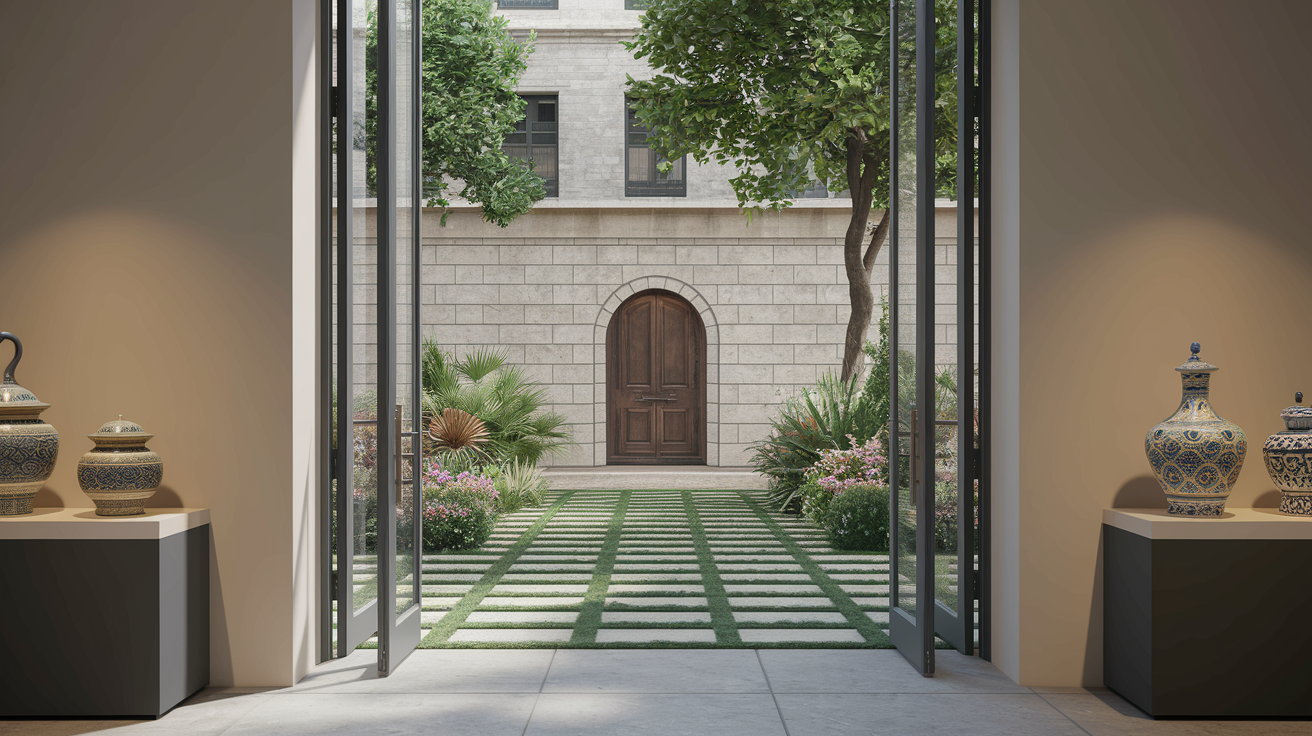
Day 2 splits cleanly into two zones: a morning at the Calouste Gulbenkian Museum, then an afternoon spent gallery hopping through Chiado. Unlike Day 1, there’s no formal evening commitment here, which gives you room to decide how much energy you’ve got left by dinnertime.
The Gulbenkian opens at 10:00 and runs until 18:00, closed on Tuesdays, so check your dates before building this into the plan. This isn’t a typical museum. It’s a private collector’s garden complex, and the collection leans heavily into Middle Eastern art, with pieces from Iran, Turkey, and Syria that most Lisbon visitors never see. What makes it worth the morning is the curation itself. It pushes back against the usual Eurocentric framing you get in big European museums, and it does it quietly, through the pieces chosen and how they’re arranged.
Final Words
Start at São Jorge, wander Alfama’s azulejo alleys, do Gulbenkian and Chiado on Day 2, and finish Day 3 at MAAT, Belém and LX Factory.
Days split into morning, afternoon, evening blocks and stay in one area to avoid backtracking. Lisbon’s post-1755 grid makes walking doable, and a 24-hour transit pass costs about €6.60. Book Sr. Fado de Alfama dinner (20:00, show ~22:00) 2-3 weeks ahead, expect €45-65.
Details on timings, walking sequences, and bookings follow, so you can run this 3-day Lisbon arts and Fado music itinerary with ease.
FAQ
Q: What does the 3-day Lisbon arts and Fado itinerary cover?
A: The 3-day Lisbon arts and Fado itinerary covers museums, galleries, street art, and one reserved Fado dinner, with each day anchored to a neighborhood to minimize transit and maximize walking time.
Q: When should I book the Fado dinner and where is it?
A: You should book the Fado dinner at Sr. Fado de Alfama 2–3 weeks ahead for weekends; dinner starts 20:00, the show around 22:00, and cost is roughly €45–65 per person.
Q: What are the suggested daily start times and visiting windows?
A: Suggested start times: museums 10:00–13:00, Tram 28 before 09:30 to avoid lines, Gulbenkian from 10:00, and Fado shows typically run 20:00–22:30 in the evening.
Q: Is walking between sights in Lisbon practical?
A: Walking between sights in Lisbon is practical thanks to the post-1755 grid-friendly layout, though Alfama has steep, cobbled streets—comfortable shoes and a steady pace make it easy to enjoy on foot.
Q: How much should I budget per day for this itinerary?
A: Daily budget varies: plan €30–60 for sights and transit, add the reserved Fado dinner (~€45–65) on Day 1, and a 24-hour transit pass costs about €6.60.
Q: Do I need tickets or reservations for Gulbenkian and other museums?
A: You should book Gulbenkian and popular museums in advance when possible; Gulbenkian opens around 10:00 and is closed Tuesdays, and advance tickets reduce waiting time during busy periods.
Q: What is the best time to ride Tram 28?
A: The best time to ride Tram 28 is before 09:30 to avoid crowds and long queues; it’s scenic and historic but often packed, so use it more for the experience than as reliable transport.
Q: What are good alternatives for live Fado if I skip the formal dinner?
A: Good alternatives include Tasca do Chico in Bairro Alto for informal performances—arrive early since there’s no reservation and limited space—or bar hopping in Bairro Alto after 22:00 for live music.
Q: Is the Day 3 plan (MAAT, Jerónimos, Belém, LX Factory) doable in one day?
A: The Day 3 plan is doable if you start early, group Belém sights, allow time for Jerónimos and MAAT visits, and leave the afternoon for Alcântara/LX Factory street art and relaxed exploring.
Q: Are Lisbon’s museums and sites accessible for visitors with mobility needs?
A: Accessibility varies: major museums like Gulbenkian and MAAT have ramps and elevators, but Alfama and São Jorge Castle include steep, uneven steps—check each venue’s accessibility info before your visit.
Q: Where is the best area to stay to minimize travel during this itinerary?
A: The best areas to stay are Alfama, Baixa, or Chiado for walkability and quick access to museums, Fado venues, and transit; expect more nightlife noise in Bairro Alto at night.
Q: How can I avoid crowds and make visits smoother?
A: Avoid crowds by visiting museums early, riding Tram 28 before 09:30, booking Fado and museum tickets ahead, and scheduling Belém visits midweek or in the late afternoon when possible.