
Think traveling with an infant is a guaranteed disaster?
It only becomes one when you pick the wrong flight, a hotel without baby gear, or a place that’s too hot or noisy.
This guide gives stress-first picks: short or direct flights, hotels that include cribs and bottle warmers, and calm climates, plus quick tips on timing, nearby healthcare, and what to book ahead.
Read on for destinations that actually work with babies under two, sorted by flight time, climate, and how easy it is to get around.
Top Picks For Family-Friendly Travel With Babies
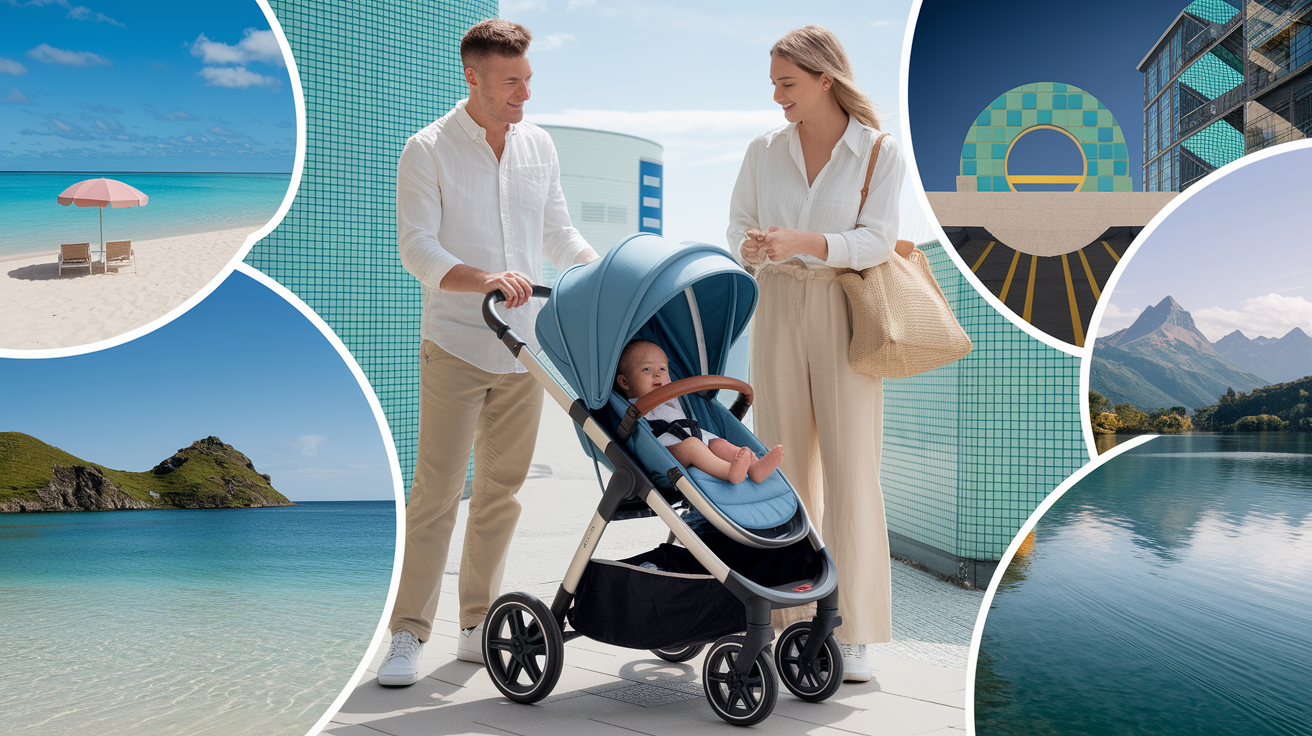
The best destinations for traveling with infants have three things in common: short or direct flights, hotels that actually stock baby gear, and climates that won’t overheat or overwhelm a small body. Every pick below checks those boxes, whether you’re flying two hours or crossing an ocean.
Here’s where families with babies under two tend to have the smoothest trips:
- Bermuda, a roughly 2 hour direct flight from the US East Coast, calm pastel beaches, and stroller-friendly streets.
- Portugal (Porto, Douro Valley, Comporta), a culture that genuinely welcomes babies, with one Douro Valley property telling a family with a 3-month-old to “bring nothing.”
- Tokyo, Japan, clean, organized, and remarkably stroller and transit friendly, even with a 16 month old in tow.
- Mexico (Riviera Maya, Mayakoba, Los Cabos), resorts that stock bottle warmers, sterilizers, and offer on-site nannies.
- Napa Valley, slow mornings, wine country views, and nap-friendly pacing for parents who need a break too.
- Sedona, Arizona, dramatic scenery without the long flight.
- Switzerland, based in Lucerne, scenic, orderly, and easy to navigate with a stroller or carrier.
- Maldives (One&Only Reethi Rah, Six Senses Laamu), overwater calm and family villas built for babies.
- Charleston, South Carolina, walkable, Southern, and easy on a short domestic flight.
- St. Martin and Anguilla, calm Caribbean beaches and boutique resorts sized for quiet stays.
Each of these gets a closer look later on, including seasonal timing, specific hotel amenities, and age-based testimonials from families who’ve actually made the trip. The right pick really does depend on your baby’s age and how long they can comfortably sit on a plane, so use flight tolerance and climate as your first filters before anything else.
What Makes A Destination Truly Baby-Friendly
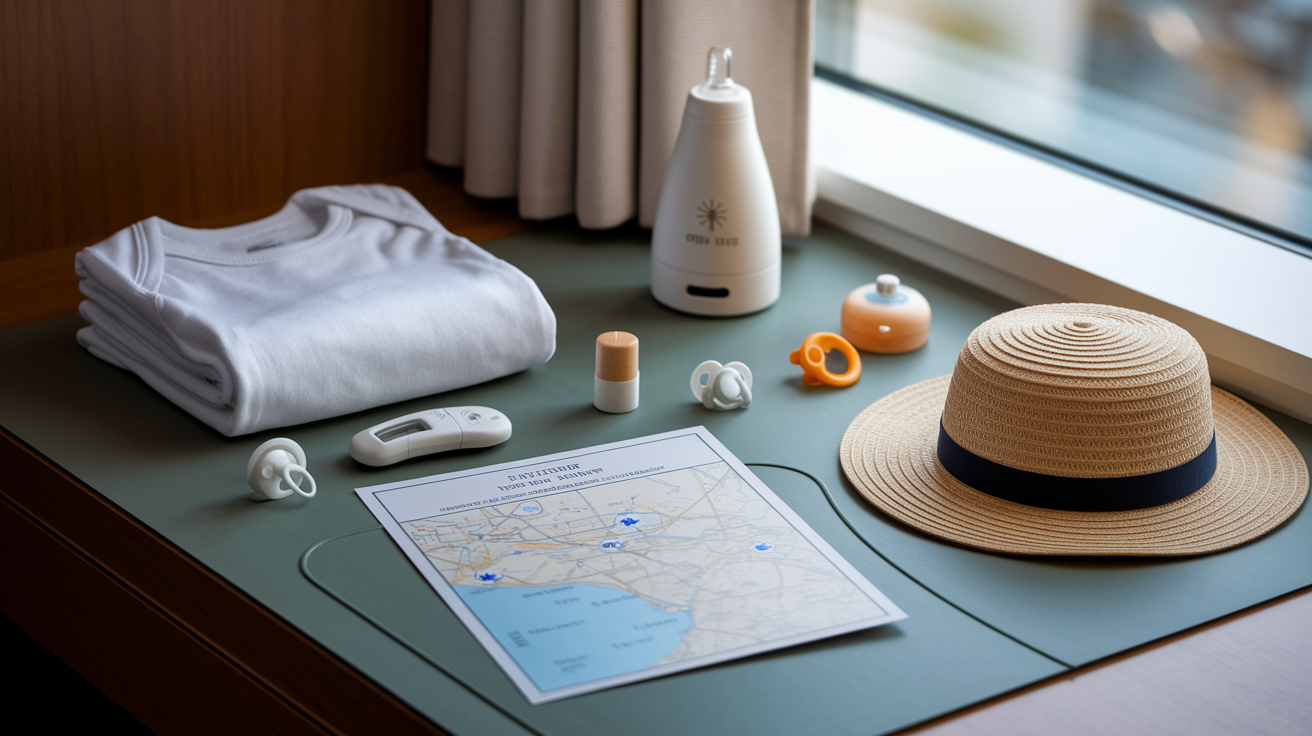
Healthcare access matters more than most parents think about until they actually need it. A destination earns a spot on this list when there’s pediatric urgent care or a hospital within 20 to 60 minutes of the main tourist area, not tucked away on the far side of a country. Climate matters just as much. Extreme heat or humidity is rough on a baby who can’t regulate body temperature well, so temperate seasons and shaded, air conditioned options win out every time. Calm, gentle beaches make the cut here too, since a baby’s first swim should happen in still water, not somewhere with a strong undertow. That’s part of why St. Martin, Anguilla, and several Mexico beaches keep coming up as family favorites.
Accommodation details are the other half of the equation. A free or low cost crib or pack-and-play (often $10 to $25 a night if it’s not complimentary) saves you from checking a bulky bag. A high chair and a kitchenette mean fewer restaurant meltdowns and easier bottle prep. A washer and dryer on site means you can pack lighter, since infant blowouts are inevitable. Blackout curtains and a quiet room, ideally away from elevators or pool noise, protect the nap schedule that keeps the whole trip running smoothly.
Think of these as a checklist you can apply anywhere, not just the destinations named here. If a place you’re considering doesn’t have clear answers on medical access, climate extremes, and crib availability, it’s worth a few extra minutes of research before booking.
Best US And Domestic Destinations With Infants
Domestic trips tend to be the least stressful starting point for infant travel. Flights are shorter, healthcare is familiar, and if something goes wrong, getting home is simple. These picks also lean toward slower, villa or resort based stays rather than packed sightseeing days.
Napa Valley And Sedona For Slow-Paced Getaways
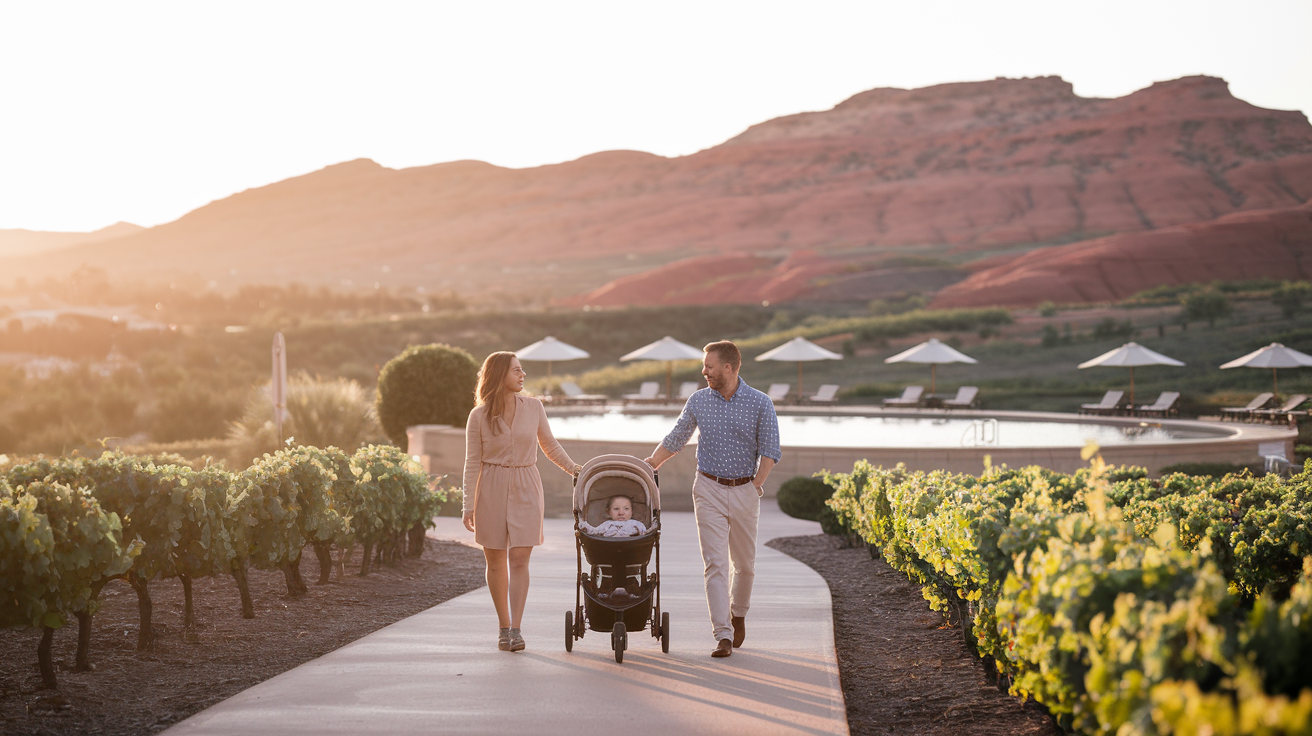
Napa Valley works well in spring or fall, when the weather is mild and the vineyards aren’t swarmed with crowds. Properties like Montage Healdsburg and Fairmont Sonoma suit a trip built around naps, pool time, and the occasional adult dinner once the baby’s down. Sedona follows a similar rhythm. Spring and fall are the sweet spots, while summer heat is genuinely tough on infants and worth avoiding. Winter’s an option too, with daytime temps ranging from the 30s to mid 60s, so pack layers if you go that route.
Charleston And Palm Beach For Coastal Ease
Charleston is best visited in May through June or September through October, sidestepping the thick summer humidity that makes stroller walks miserable. The city’s walkability and slower Southern pace make it an easy choice for a first coastal trip with a baby. Palm Beach, Florida, is another strong option. At the Four Seasons there, one family found their room stocked with a white noise machine, a diaper pail, a dedicated toddler room, and a crib already set up, with a stuffed animal waiting on arrival. Their baby slept well the entire stay, which says a lot.
Bermuda As A Short-Haul Island Escape
Bermuda is one of the easiest international feeling trips without the long haul flight. It’s about a 2 hour direct flight from the US East Coast, which keeps things manageable even for a baby who’s never flown before. The island itself is small, safe, and easy to get around with a stroller, and the pastel colored beaches offer the kind of calm water that’s ideal for a baby’s first time in the ocean.
Best International And Beach Destinations For Infants
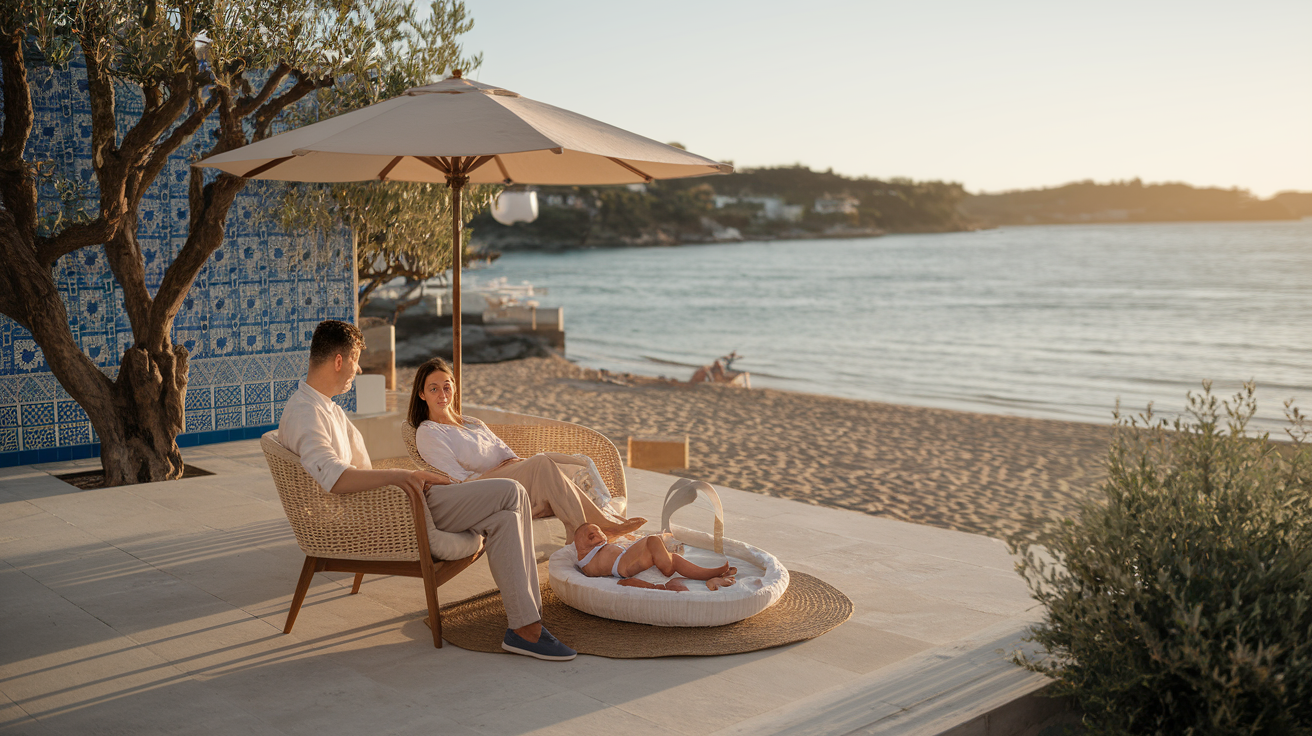
Portugal stands out for how genuinely welcoming the culture is toward babies, right down to priority lane access in places where that matters. Porto and the Douro Valley pair well with a coastal stretch in Comporta for families who want both city charm and beach downtime. At Six Senses Douro Valley, in room childcare is available for 20 euros an hour, which makes a quiet adult dinner possible without much planning. One family who stayed there with a 3 month old said the staff told them they had “everything,” right down to advising them to bring nothing at all.
Final Words
Book the short flight or pack the car: this guide gave a tight shortlist chosen for short, manageable flights, infant-friendly amenities, and climate safety. Use the domestic picks, international beach options, and the baby-friendly resort checklist to match your family’s pace.
Remember the must-haves: nearby pediatric care, calm beaches, blackout curtains, laundry, and in-room cribs or high chairs. Pair those with realistic pacing, short hops, easy transfers, and quiet days.
Use this shortlist of the best travel destinations with infants to pick the spot that fits your baby’s age and your comfort. Small choices now make the trip smooth and sweet.
FAQ
Q: What is the 3 6 9 rule for babies?
A: The 3 6 9 rule for babies is a loose travel planning guide using 3, 6, and 9‑month checkpoints: avoid travel before 3 months, 6 months is easier, 9 months brings more mobility and needs.
Q: Where is best to travel with a baby? / Which country is best to travel with an infant?
A: The best places to travel with a baby are countries with short flights, reliable healthcare, mild climate, and baby-friendly hotels—top picks: Portugal, Mexico (Riviera Maya/Mayakoba), Japan (Tokyo), Bermuda, Hawaii.
Q: What is the hardest age to fly with a baby?
A: The hardest age to fly with a baby is often around 6–12 months, when increased mobility, separation anxiety, and disrupted sleep make airports, flights, and routines more challenging.