

Think travel has to slow down after 60? Think again.
We ranked 12 easy, safe, comfortable getaways for seniors using four real-world factors so you know what truly matters on the ground.
Accessibility, nearby healthcare, walkability, and seasonality were weighted to find places where getting around doesn’t take a marathon and help is close if needed.
Read on for the ranked picks and the simple notes that make planning easy, like what to book, what to skip, and the best time to go.
Top Destinations Ranked For Senior Travelers

Picking a senior-friendly destination really comes down to four things that matter once you’re actually on the ground. Accessibility and ADA compliance carries the most weight at 35% of the ranking, healthcare availability and hospital proximity sits at 25%, walkability and physical demand comes in at 20%, and cultural or relaxation value tied to seasonality rounds things out at 20%. These weighted factors shaped the ranking below. The goal was simple. Find places where getting around doesn’t require a marathon, and where help is nearby if you ever need it.
Here are the 12 destinations that came out on top.
- San Diego, California, flat, walkable waterfront with a strong healthcare network close by.
- Charleston, South Carolina, a compact historic district made for carriage tours, not long walks.
- Lisbon, Portugal, hills handled by trams and elevators, with a mild climate most of the year.
- Barcelona, Spain, flat beachfront paths paired with accessible museums and metro lines.
- Portland, Maine, a tiny, easy to navigate Old Port with seafood and short harbor walks.
- Asheville, North Carolina, scenic mountain views you can take in mostly from a car seat.
- Kyoto, Japan, centuries of culture made accessible through ramps and reliable public transit.
- Auckland, New Zealand, a compact, English speaking harbor city with excellent hospitals.
- Savannah, Georgia, shaded squares and trolley tours that keep walking to a minimum.
- Maui, Hawaii, resort based ease with beach wheelchairs and strong medical facilities.
- Danube River Cruise (Central Europe), unpack once, see four countries, skip the daily walking.
- Santa Fe, New Mexico, a walkable plaza with galleries, adobe charm, and cooler mountain air.
Each one of these destinations gets its own deeper dive further down, including accessibility notes, the best time of year to go, and what you can expect to spend. Think of this list as your map. Everything after this point fills in the details so you can actually plan the trip, not just dream about it.
US Destinations With Easy Accessibility For Seniors
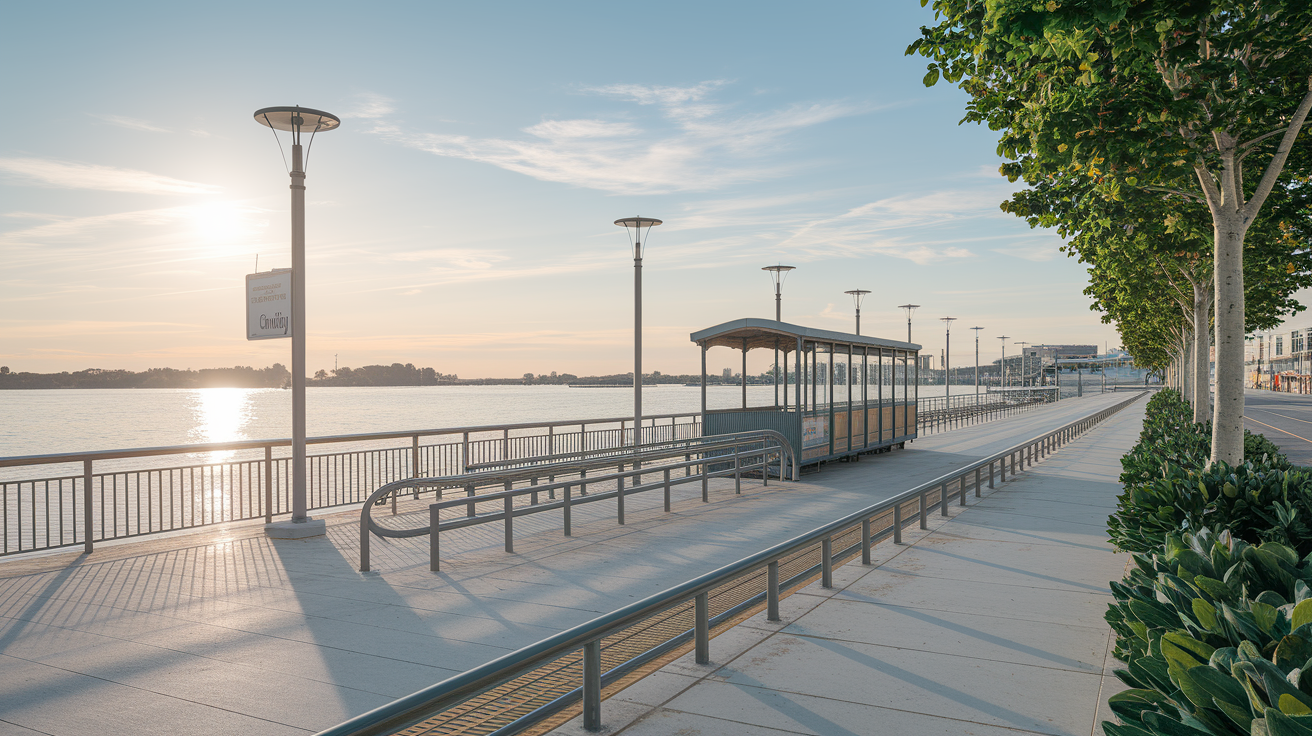
If you want accessible travel without the long flight, these five U.S. cities are hard to beat. Each one scored well because getting around doesn’t demand much, and medical care is never far if you need it.
San Diego, California
San Diego’s waterfront is about as flat and walkable as it gets, which makes it one of the best cities for senior travelers who want scenery without strain. The trolley system is accessible, and several beaches even provide beach mats or beach wheelchairs so sand isn’t a barrier.
Hospitals sit within 5 to 10 miles of downtown, including a university medical center and a handful of community hospitals. Balboa Park offers short walking loops between exhibits, often under a mile, and many museums have wheelchairs on hand if you need one.
Visit in March through May or September through November. The weather sits in a comfortable 60 to 75°F range, and hotel rates run $160 to $280 a night depending on the season.
Charleston, South Carolina
Charleston’s historic district is small enough to see without exhausting yourself, and carriage or trolley tours do most of the heavy lifting. Many museums here have added elevators, so you’re not stuck choosing between skipping the second floor or struggling up a staircase.
Hospitals are typically 10 to 12 minutes away by car. One thing to watch for, cobblestones show up in parts of the historic district, so it’s worth asking your hotel concierge about paved routes before you set out. Hotels average $140 to $250 a night, and spring or fall (March to May, October to November) brings the mildest weather.
Portland, Maine and Asheville, North Carolina
Portland’s Old Port is built for short strolls. Harbor walks run 0.3 to 1 mile, restaurants and maritime museums are largely accessible, and the regional hospital sits within 5 miles. Hotels run $120 to $220 a night, best visited June through September.
Asheville takes a different approach. The Biltmore Estate offers motorized scooters and accessible paths through its gardens, and the Blue Ridge Parkway lets you take in mountain views from the comfort of a car instead of a hiking trail. Expect $120 to $230 a night for hotels, with the sweet spot running May through October.
Savannah, Georgia
Savannah’s shaded squares and ramped historic sites make it one of the easiest Southern cities to explore slowly. Trolley and riverboat tours cut down on walking almost entirely. Some streets still have cobblestones, so stick to paved routes where you can. Hotels average $120 to $220 a night, and March through May or October through November bring the most comfortable temperatures.
International Cities Suited To Senior Travel

For those ready to cross an ocean, these four cities combine cultural depth with accessibility features that make the trip far less tiring than you’d expect.
Lisbon, Portugal and Barcelona, Spain
Lisbon is famously hilly, but trams, elevators, and funiculars do the climbing for you. Riverfront promenades are flat and pleasant, and hospitals are usually 5 to 20 minutes away. Hotels run $110 to $220 a night, with April through June and September through October offering the best weather for walking.
Barcelona, by contrast, is mostly flat near the water. The metro and buses are largely accessible, and even the Gaudí sites, famous for their winding details, have added ramps in key spots. Hotels average $130 to $260 a night, best visited May through June or September through October.
Kyoto, Japan
Kyoto blends centuries old temples with modern accessibility upgrades. Many major temples now include ramps and reserved viewing areas, which wasn’t always the case. Buses and taxis offer low step boarding on main routes, and hospitals with English speaking staff sit 10 to 20 minutes from the city center.
Some historic sites still have steps and uneven stone paths, so it’s smart to pick your temples carefully and lean on taxis for door to door transport r
Final Words
We ranked 12 destinations using four weighted criteria: accessibility and ADA compliance (35%), nearby healthcare (25%), low physical demand and walkability (20%), and cultural/relaxation value (20%). It ranks spots from San Diego to the Danube River Cruise.
The guide groups U.S. accessibility picks, international city breaks, and warm-weather or cruise options, with recommended stays of 3–7 days and two-place combos for 10–14 days.
Use the detailed entries for accessibility notes, best seasons, and typical costs to pick what’s right for you. These best travel destinations for seniors are vetted for calm, easy-paced trips. Pick one and enjoy the trip.
FAQ
Q: What is the best travel company for seniors?
A: The best travel company for seniors is often Road Scholar, offering small-group learning trips, accessible options, and on-trip support; Grand Circle Travel, Viking, and AmaWaterways suit different interests like active tours or river cruises.
Q: What state treats seniors the best?
A: The state that treats seniors best is often Minnesota, noted for strong healthcare, senior services, and community programs; Massachusetts and Vermont also rank highly—compare hospitals, long-term care, and cost before deciding.
Q: What are some bucket list ideas for a 70-year-old woman?
A: Bucket list ideas for a 70-year-old woman include a gentle river cruise, scenic train ride, cultural city break (Lisbon or Kyoto), national park drive, a cooking or art workshop, and a family reunion trip.
Q: What are the top 5 vacation spots?
A: The top 5 vacation spots are San Diego (waterfront and accessibility), Charleston (historic charm), Lisbon (hilly coast with trams), Barcelona (Gaudí and beaches), and Portland, Maine (New England waterfront).