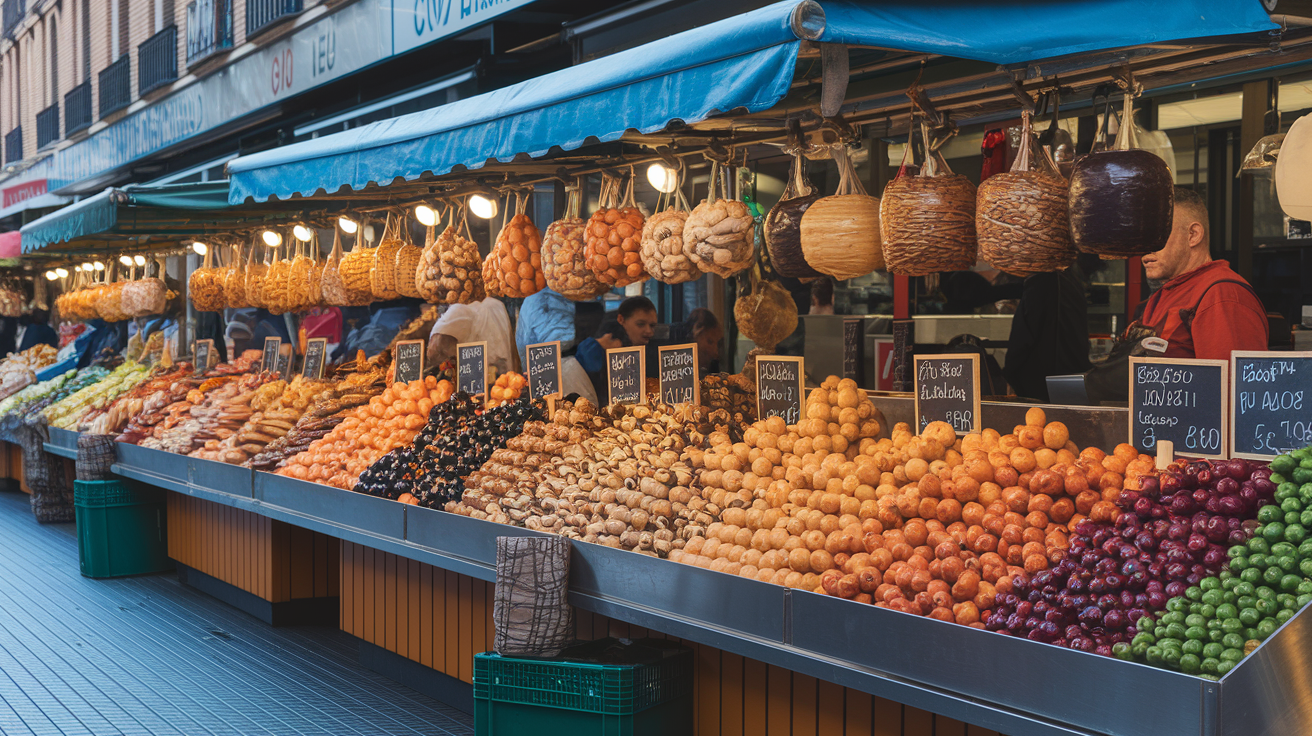

Think La Boqueria is the only market worth visiting? Think again.
Barcelona has dozens of neighborhood markets, but only a handful are worth building your trip around.
This guide picks the top ones, La Boqueria, Sant Antoni, Santa Caterina and more, ranked for authenticity, fresh and ready-to-eat variety, and how well they balance local life with tourist crowds.
Read on for a tight shortlist with what to order, realistic prices, best times, and the smart order to visit so you don’t waste a minute.
Top Barcelona Food Markets To Prioritize On Your Trip
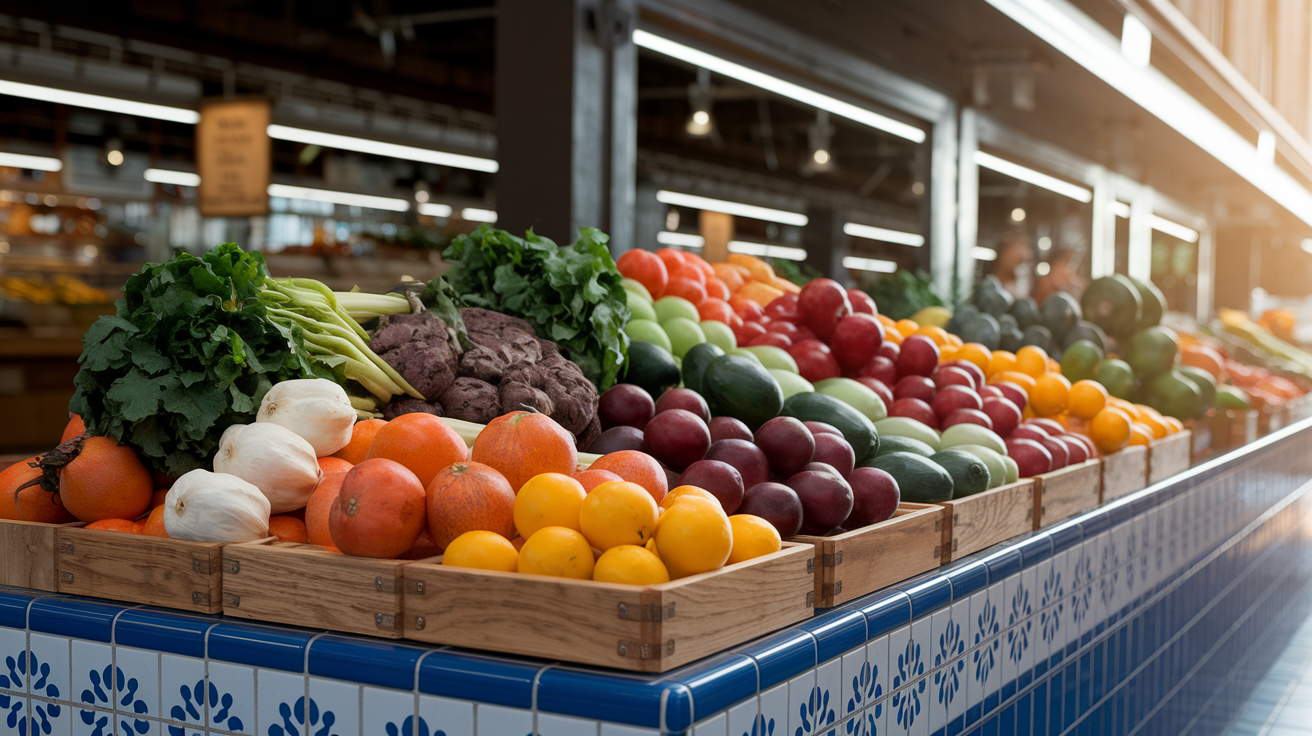
Barcelona’s got dozens of neighborhood markets, but only a handful are actually worth building your trip around. This guide ranks the best local food markets by authenticity, variety of fresh and prepared foods, and how well each one balances local foot traffic against tourist crowds. Think of it as a shortlist, not a directory. Fewer picks, better picks, and a reason for each one.
If you read nothing else here, read this list. Here’s the priority order for most visitors:
- La Boqueria
- Mercat de Sant Antoni
- Mercat de Santa Caterina
- Mercat de la Concepció
- Mercat de la Barceloneta
- Mercat del Ninot
- Mercat de la Llibertat
- Encants Vells
La Boqueria tops the list because it’s the one market almost every first-time visitor should see at least once, crowds and all. Mercat de Sant Antoni and Mercat de Santa Caterina follow close behind, offering that same market energy with a far more local feel and noticeably better value. The rest round things out for specific needs. Barceloneta for seafood lovers, Ninot for a relaxed sit-down lunch, Llibertat for a Gràcia neighborhood stroll, and Encants Vells if you want food stalls mixed with flea market browsing.
Each market gets its own breakdown further down, including opening hours, what to actually order, price ranges, and small tips that make the visit easier. If you’re planning a market-focused day or two in Barcelona, this is the order to tackle them in, grouped loosely by neighborhood so you’re not zig-zagging across the city chasing produce stalls.
Mercat de Sant Josep de la Boqueria: Barcelona’s Most Famous Market
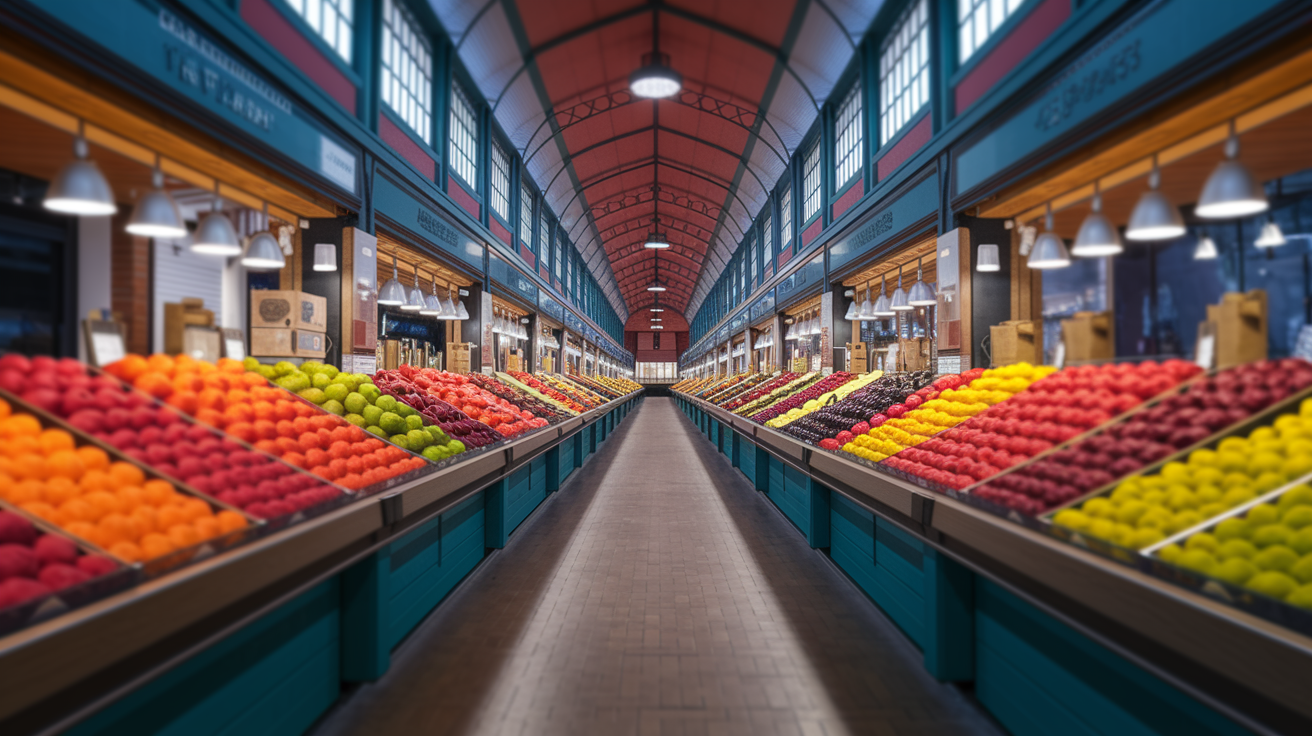
La Boqueria sits right on La Rambla, and it’s been feeding this city in some form since the 13th century. By the 1800s, records show roughly 200 stalls packed under its roof, and that density is still the first thing you notice walking in. It’s the most photographed market in Barcelona, and probably the most searched for too.
Step inside and it hits you all at once. Jamón ibérico hanging and getting carved to order, seafood counters stacked on ice, fresh fruit juices in every color, empanadas, pinchos, and tapas bars where you grab one of a handful of stools and eat standing shoulder to shoulder with strangers. It’s genuinely sensory overload, in a good way if you’re prepared for it. The trade-off is crowding. Between 11:00 and 15:00, the aisles fill up fast, mostly with tourists, and prices creep up to match.
Go early, 08:00 to 09:30, if you want to see it functioning more like a real market and less like a tourist attraction. That’s also when the produce is freshest. Grab a fruit juice for €2 to €4 as a quick snack, try jamón ibérico by the slice, and budget €2.50 to €8 per pinchos or tapas item. Keep your bag zipped and your phone out of your back pocket. Pickpocket risk here is real, especially once the crowds thicken midday.
This one’s best for first-timers and foodies who want the full sensory experience in one stop. If you only have time for one market in Barcelona, make it this one. Just go at the right hour.
((alt-img1))
Mercat de Sant Antoni: Local Charm And Sunday Book Market
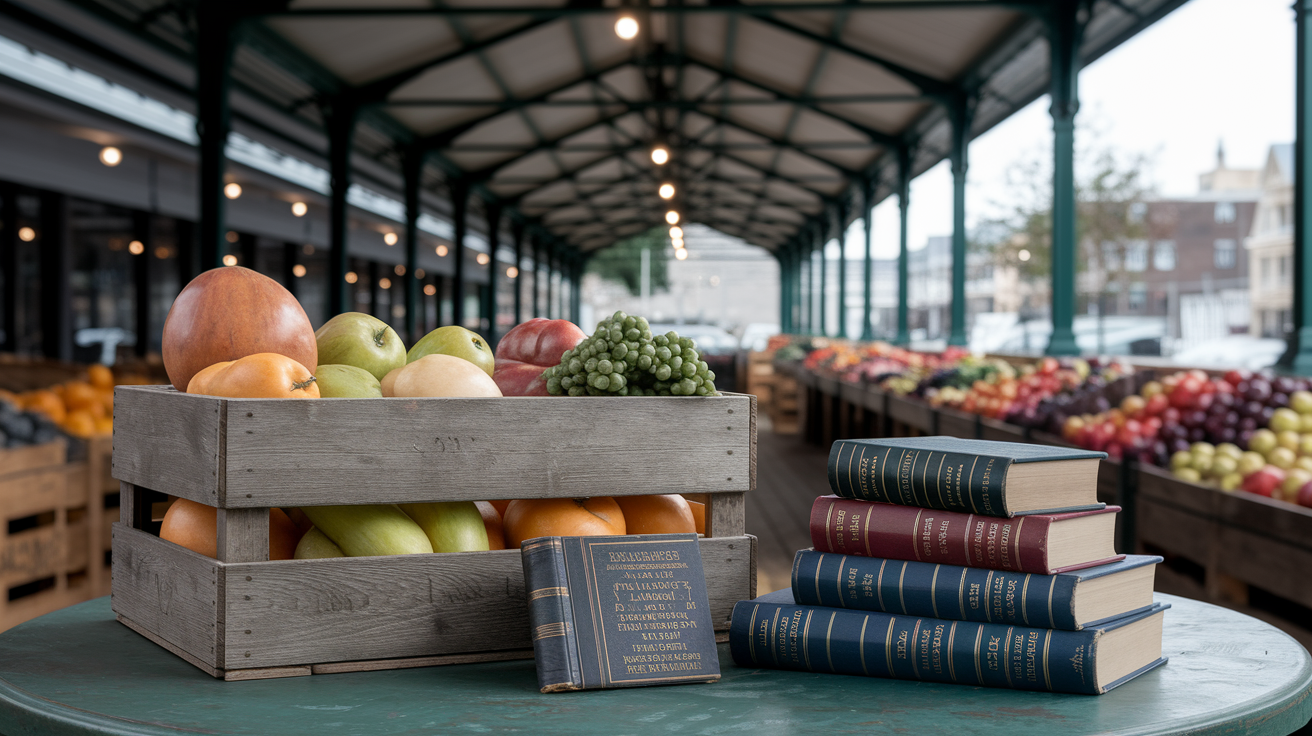
Sant Antoni feels like Barcelona’s answer to La Boqueria’s fame, minus the crowds and with better everyday prices. The building itself is worth a look, renovated 19th-century ironwork restored to let light pour across three distinct sections: food, clothing, and on Sundays, an outdoor book and collectibles market that spills onto the surrounding streets.
Inside, you’ll find fresh produce, meat and fish counters, canned goods, and Catalan specialties like butifarra sausage and calçots in season. It’s a working neighborhood market first. Locals do their weekly shop here, and you can tell by the pace, unhurried on weekdays, noticeably busier Saturday mornings. A bocadillo here runs €3.50 to €6, a solid benchmark for how reasonable this market stays compared to the tourist-heavy center.
If you can time your visit for a Sunday, do it. The book market outside adds a whole second layer: old vinyl, used books, collectibles, and small bargains worth digging through. Pair that with a quick lunch inside and you’ve got a half day that feels distinctly local rather than scripted for visitors. This is the market to send anyone who wants to see how Barcelona actually eats and shops, without a single tour group in sight.
((alt-img2))
Mercat de Santa Caterina: Colorful Roof And Local Flavors
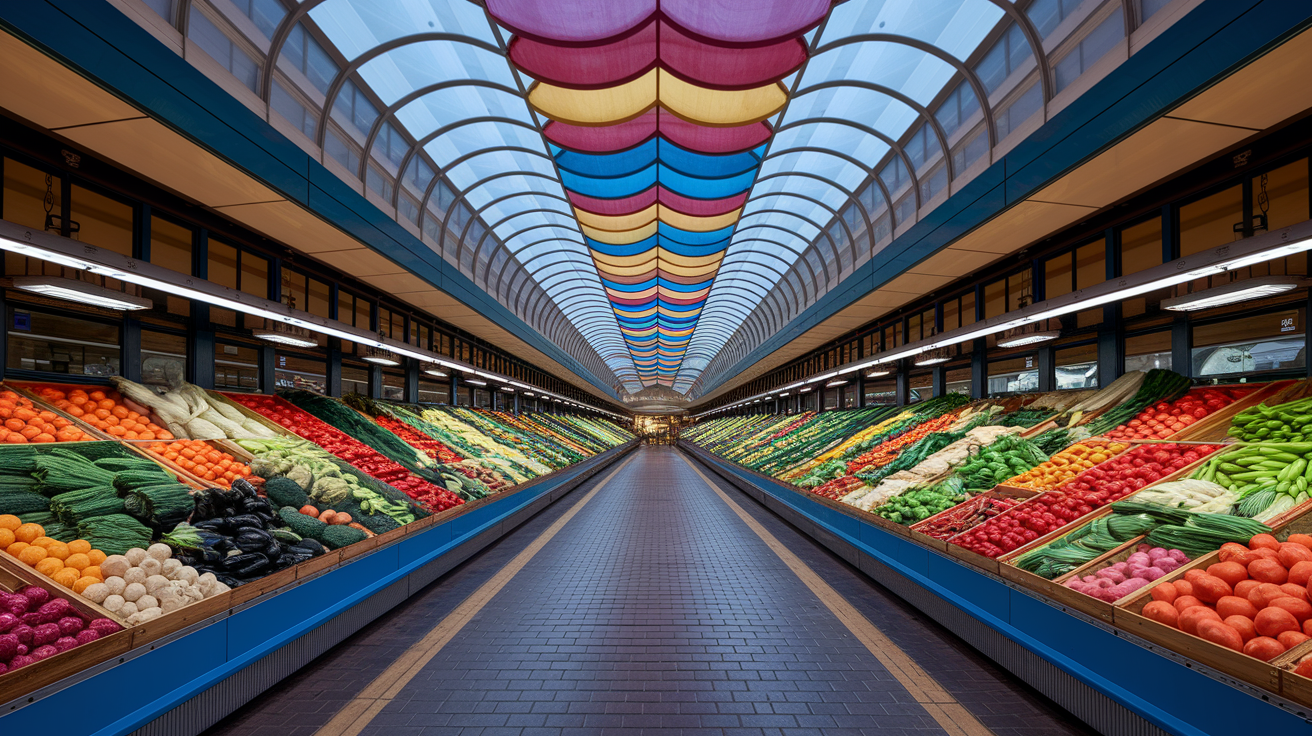
You’ll spot Santa Caterina before you even reach the entrance. The wavy, multicolored rooftop, designed by Enric Miralles and Benedetta Tagliabue, ripples over the building like a wave frozen mid-motion, and it’s become one of the more photographed pieces of modern architecture tucked into the El Born neighborhood. It’s a striking contrast to the market’s much older roots underneath.
Step past the roof and the market delivers a calmer, more local version of what La Boqueria offers. Stalls here lean into seafood, escalivada, and other Catalan specialties, with vendors who tend to chat and recommend rather than rush you through. It’s busy, sure, but busy with shoppers running errands, not tour groups working through a checklist.
Hours run Monday through Saturday, 07:30 to 15:00, with a later Friday option stretching until 20:00, a good window if you want to catch the market after a full day of sightseeing rather than squeezing it into a morning. Given its location right at the edge of the Gothic Quarter and El Born, it’s an easy add-on if you’re already exploring that part of the city. Fewer crowds, better prices, and that unforgettable roof make this one worth the short walk off the main tourist path.
Final Words
This guide ranks Barcelona’s markets by authenticity, variety, and visitor experience. La Boqueria is #1 for foodies, Sant Antoni for local charm and Sunday books, and Santa Caterina for its colorful roof.
Go early at La Boqueria (08:00-09:30) to beat crowds, or visit Sant Antoni on Sunday. No tickets. Bring card or cash and a small bag.
Use this list to choose the best local food markets in Barcelona to visit and enjoy tasting your way through the city.
FAQ
Q: What food is a must in Barcelona?
A: The must food in Barcelona is jamón ibérico and market tapas — think jamón carved to order, fresh seafood, small tapas/pinchos, plus fresh fruit juices and bocadillos from markets like La Boqueria.
Q: What is the name of the big market in Barcelona?
A: The big market in Barcelona is Mercat de Sant Josep de la Boqueria, commonly called La Boqueria, on La Rambla (open Mon–Sat 08:00–20:30); it’s the most famous, busiest, and most varied.
Q: What are 10 must-see things in Barcelona?
A: The 10 must-see things in Barcelona are Sagrada Familia, Park Güell, La Rambla, La Boqueria, the Gothic Quarter, Casa Batlló, Casa Milà (La Pedrera), Montjuïc, Barceloneta beach, and the Picasso Museum.
Q: What is a common breakfast in Barcelona?
A: A common breakfast in Barcelona is café con leche with a pastry or a tostada (toasted bread) rubbed with tomato and olive oil, or a simple bocadillo — fresh market juices are popular too.