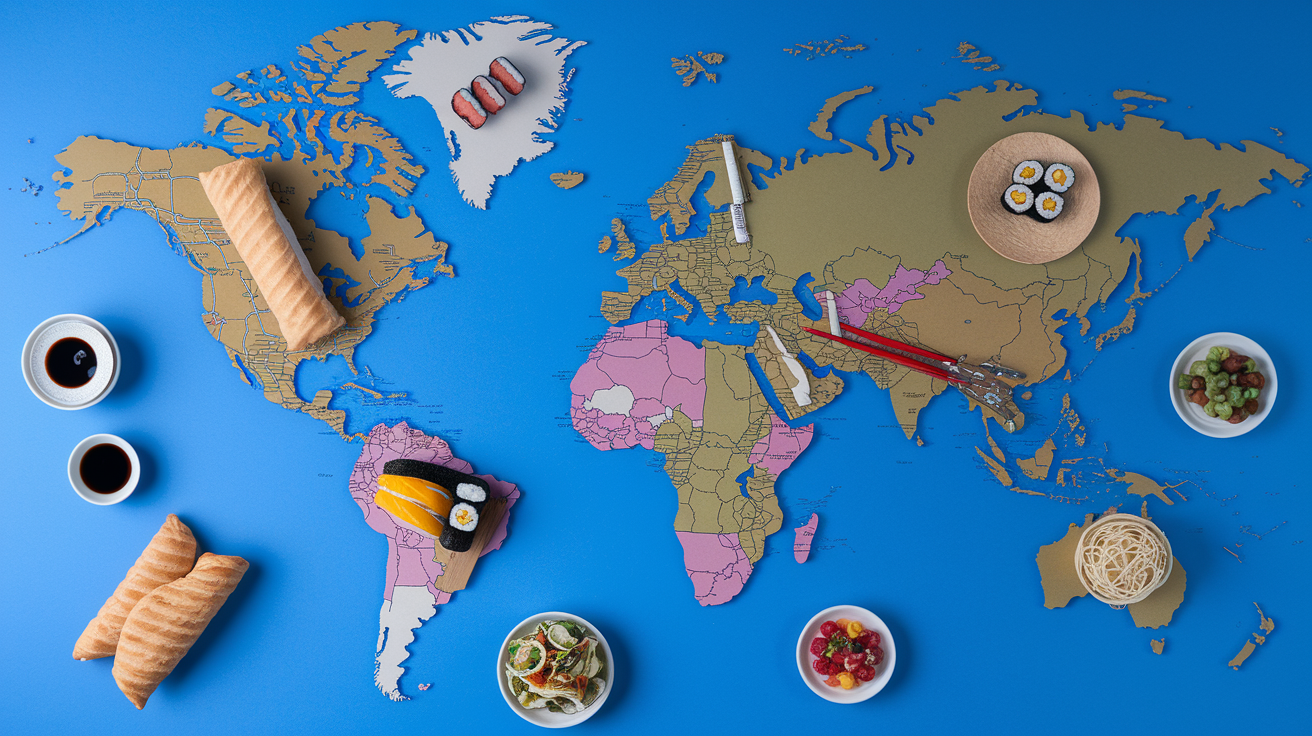

Forget museums — the best reason to travel in 2024 might be the food.
This list ranks the top foodie travel destinations for 2024 by how strong their signature dishes are, how easy the cities are to navigate, and whether street stalls, markets, and fine dining all line up for visitors.
You’ll get where to eat, when to go, how long to stay, and which meals need reservations months ahead.
Use it to plan 3 to 7 day trips that let you hit the must-try bites without wasting time or money.
Top Foodie Travel Destinations Ranked For 2024
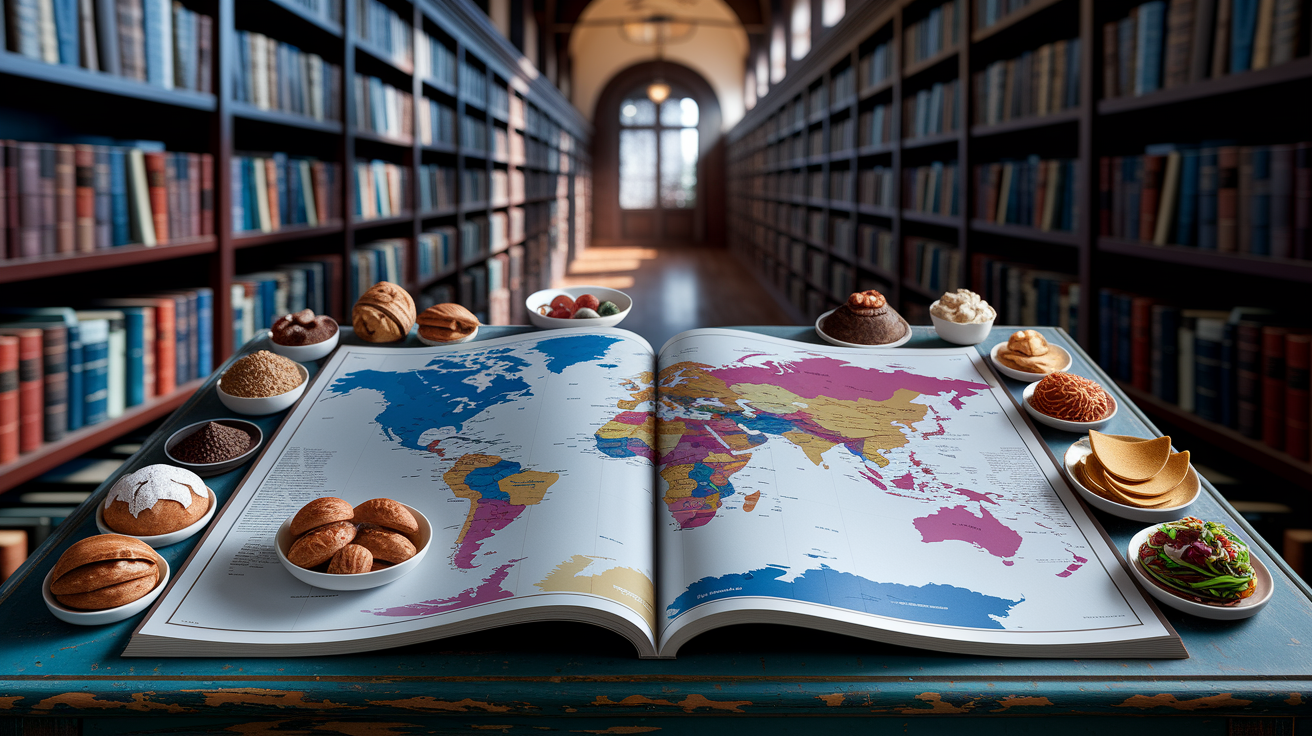
This ranking pulls from culinary reputation, the strength and variety of signature dishes, how easy a city is to navigate on foot or by transit, and when the weather and local food calendar line up best for visitors. A city earns a top spot by offering layers: street stalls worth a detour, markets that double as cultural education, and at least one kitchen pushing the craft forward, Michelin star restaurants included. Accessibility matters too. A destination can have incredible food, but if reservations are impossible or the city’s hard to get around, it drops in the rankings.
Here are the best foodie travel destinations for 2024, ranked:
- Tokyo, Japan, sushi, ramen, and the world’s most demanding tasting menus
- Paris, France, croissants, bistro classics, and centuries of pastry tradition
- Mexico City, Mexico, tacos al pastor, mole, and a fine dining scene that rivals Europe’s best
- Bangkok, Thailand, street stall pad thai next door to Michelin starred cooking
- Barcelona, Spain, tapas bars, La Boqueria, and inventive modern Spanish cuisine
- Lima, Peru, ceviche and a Nikkei fusion movement reshaping South American dining
- Istanbul, Turkey, meze spreads, kebabs, and the Spice Bazaar’s centuries old trade
- New Orleans, USA, gumbo, beignets, and Creole cooking with deep cultural roots
- Melbourne, Australia, coffee culture and a multicultural food scene packed into walkable neighborhoods
- Porto, Portugal, the francesinha sandwich, fresh seafood, and port wine cellars along the river
This list only scratches the surface. Full profiles follow in the next sections, breaking down what to eat, where to shop for ingredients, and which restaurants are worth booking months out. As a general rule, plan for 3 to 7 days per city. That’s enough time to hit 8 to 12 signature dishes on a short trip, or push past 20 on a longer, more immersive one.
Asia’s Must Visit Food Cities

Tokyo tops nearly every serious food traveler’s list, and for good reason. Sushi here is a different animal, especially the nigiri at places like Sukiyabashi Jiro, where reservations often need to be locked in 1 to 3 months ahead. Beyond sushi, the city runs deep: ramen shops with lines out the door, tempura counters where the frying is treated like a science, and yakitori stalls tucked under train tracks. Toyosu Market and the outer stalls near the old Tsukiji site are where chefs shop before dawn, and wandering through early morning is one of the best ways to understand the city’s obsession with freshness. Best months to visit are March through May and October through November, and a stay of 4 to 7 days gives you room to actually get into a rhythm.
Bangkok operates on a different frequency entirely. Street food isn’t a backup plan here, it’s the main event. Pad thai from a cart, khao mun gai (chicken rice) from a stall that’s been run by the same family for decades, and boat noodle vendors slinging bowls that cost less than a dollar. Jay Fai, the street chef known for her crab omelets, has become a pilgrimage site in its own right. Chatuchak Market on weekends and the Yaowarat Chinatown strip at night are essential stops. Best months are November through February, when the heat backs off a little, and 3 to 5 days is typically enough to eat your way through the highlights.
Singapore and Kyoto show two very different sides of Asian dining within the same region. Singapore’s hawker centers, places like Maxwell Road and Old Airport Road Food Centre, pack more than 100 vendors under one roof, serving chili crab, Hainanese chicken rice, and char kway teow for a few dollars a plate. Kyoto, meanwhile, is where kaiseki ryori lives, a multi course meal that evolved out of the tea ceremony. Staying at a ryokan like Tawaraya and working through an appetizer to dessert sequence is as much a cultural experience as a meal.
Together, these four cities map out what makes Asia such a rewarding region for food travel. You can eat incredibly well for a dollar a plate, then turn around and book one of the most refined dining experiences on the planet, often within the same neighborhood.
Europe’s Best Foodie Travel Destinations For Food Lovers
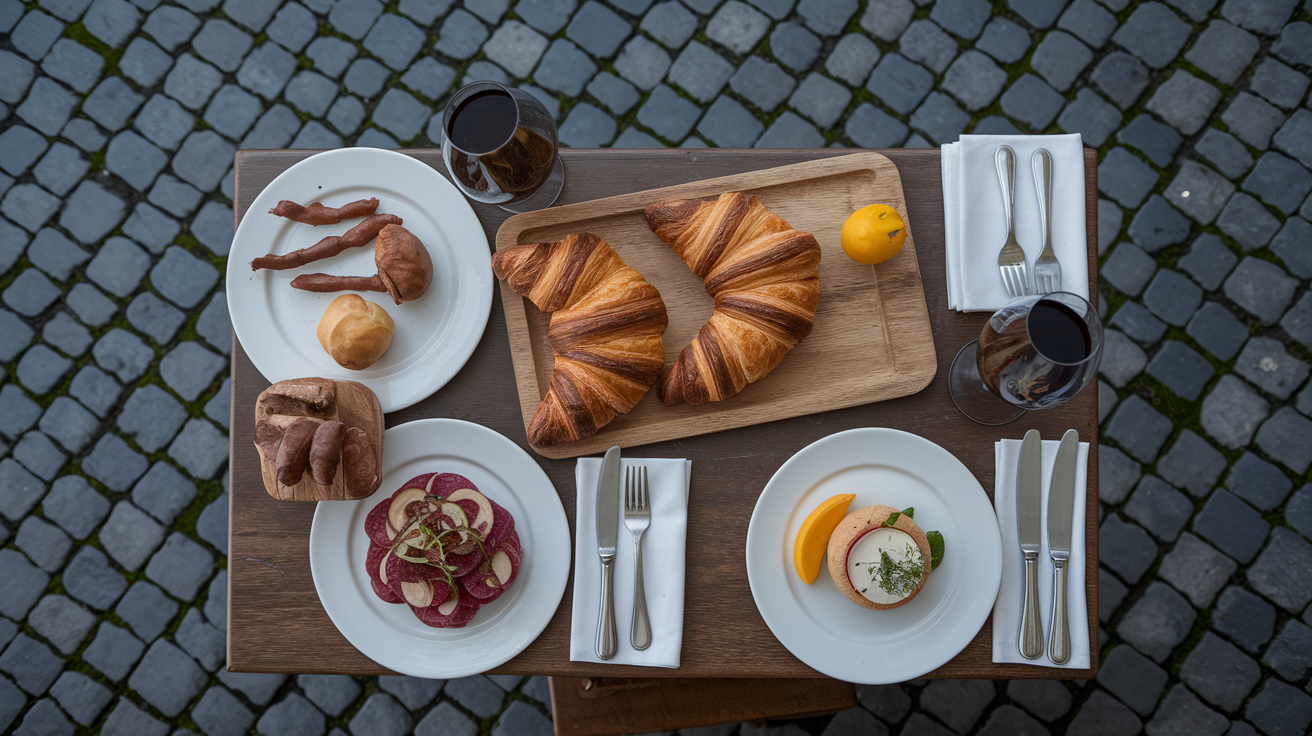
Europe doesn’t have one food identity, it has dozens, and that’s the appeal. A week spent moving between countries can take you from flaky pastry to grilled octopus to a multi course tasting menu without ever repeating a flavor profile.
Paris and Barcelona anchor the continent’s food travel scene from opposite ends of the style spectrum. In Paris, mornings mean croissants and pain au chocolat, and dinners lean into steak frites or a tasting menu at a spot like Septime. Marché d’Aligre and Marché des Enfants Rouges are worth building a morning around, especially if you want to see how locals actually shop. Best months are April through June and September through October, with 3 to 5 days giving you enough time to settle into a few neighborhoods. Barcelona, by contrast, is built around grazing. Tapas bars, seafood paella, and the sprawling stalls of La Boqueria make it a city best explored on foot and by appetite. Cal Pep and Disfrutar represent two ends of that spectrum, casual counter seating versus serious modern Spanish cooking. May through June and September through October are the sweet spot here too.
San Sebastian deserves its own mention for sheer density. This small Basque city has one of the highest concentrations of Michelin stars per capita anywhere in the world, alongside a pintxo bar scene that’s just as beloved. Borda Berri and Gandarias serve small plates that rival tasting menus in flavor, while Mugaritz and Arzak represent the high end of what Basque cooking can do.
Porto rounds things out with something heartier. The francesinha, a sandwich layered with meats and drowned in a beer and tomato sauce
Final Words
In the action, this post ranked the top 10 food cities for 2024, from Tokyo and Paris to Mexico City, Bangkok, Barcelona, Lima, Istanbul, New Orleans, Melbourne and Porto. It explains how the list was made, using culinary reputation, signature dishes, accessibility and seasonality.
You get region guides on markets, tasting menus, pastries, tapas and street-to-fine-dining contrasts. Plan 3–7 days per city and aim for 8–12 items in a short trip or 20+ across a week.
Use this shortlist of best foodie travel destinations to build a tasty, realistic plan. Enjoy the journey.
FAQ
Q: What are popular travel destinations?
A: Popular travel destinations are cities and regions known for food, culture, or nature. Top picks include Tokyo, Paris, Mexico City, Bangkok, Barcelona, Lima, Istanbul, New Orleans, Melbourne, and Porto.
Q: What is a foodie tour?
A: A foodie tour is a planned, eating-focused trip that visits markets, street stalls, and restaurants—guided or self-led. It helps you sample signature dishes efficiently; aim for 3–7 days per city to explore properly.
Q: Which countries are the best to travel to for food? Which country is best for culinary?
A: The best countries to travel for food include Japan, France, Mexico, Thailand, Spain, Peru, Turkey, the USA, Australia, and Portugal; each excels differently—street food, fine dining, seafood, or regional specialties.